This story was made in collaboration with Safe Software partner axmann geoinformation gmbh.
A campus full of data, but no single picture
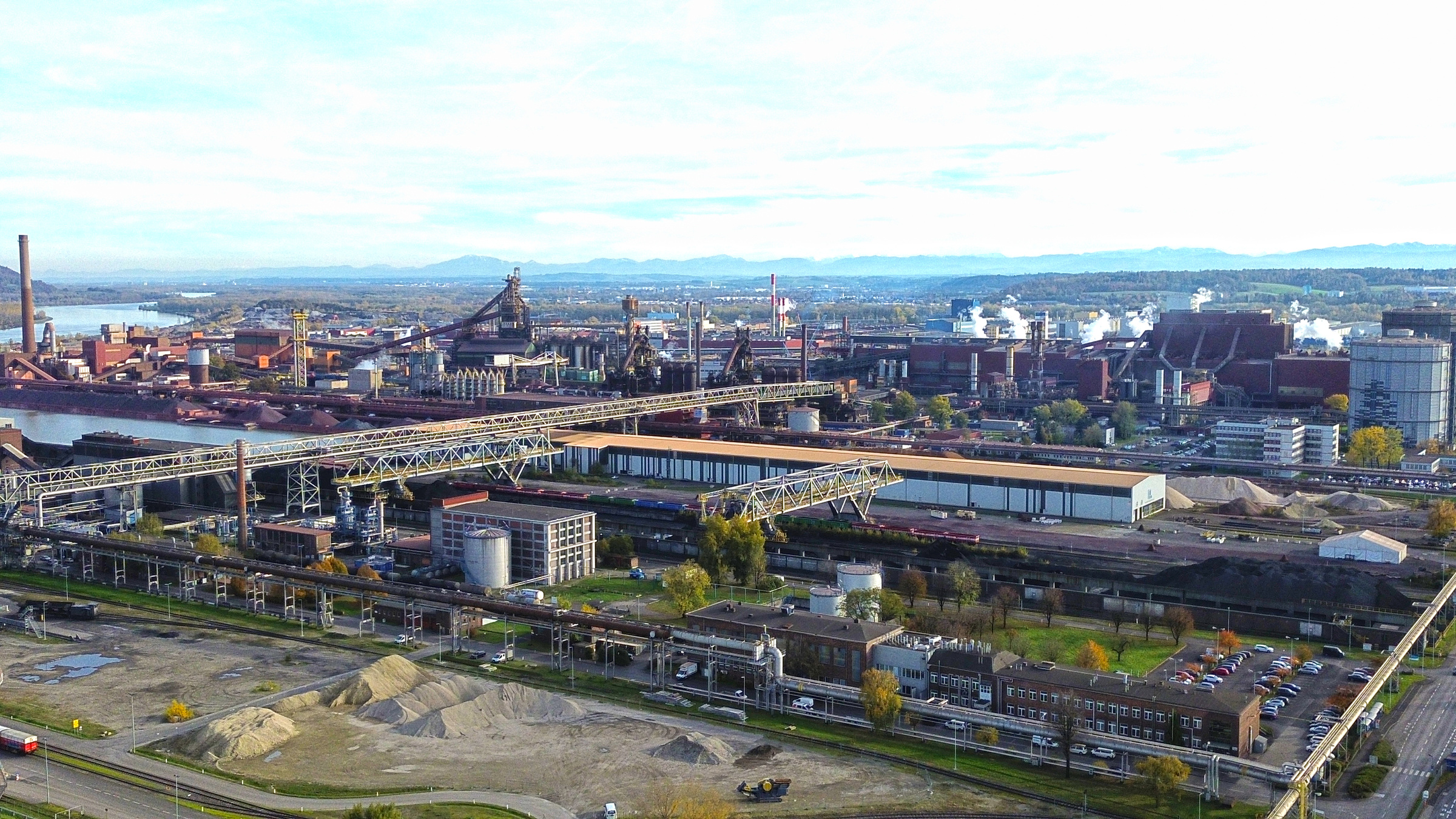
voestalpine, a global steel and technology group based in Austria, operates one of the most modern steel production sites in Europe. But behind the scenes, the vision of a complete digital twin of its entire campus in Linz presented the company with complex challenges.
Numerous 3D models from different trades, including mechanical engineering, plant construction, solid construction, and industrial building services, were available in various formats and levels of detail. These heterogeneous datasets needed to be integrated into a standardized geographic information system (GIS) in order to create a comprehensive digital twin. Making it even more challenging, suitable processes first had to be developed to prepare the existing models for further processing, while retaining as much valuable information as possible. Converting CAD models from different systems required a powerful and flexible solution.
Finding the right format and the right tool
After intensive evaluation, IFC (Industry Foundation Classes) emerged as the most suitable data exchange format. The challenge, however, was the intelligent processing of this data.
This is where FME came into play. FME made it possible to connect different transformers with each other in such a way that unnecessary model components were not transferred, but a visually appealing and information-rich result could still be transferred to the GIS. The implementation was carried out in close cooperation with Safe Software, which helped voestalpine overcome specific challenges during data conversion.
A 3D model that keeps growing
Today, voestalpine has a continuously growing, detailed 3D model of the Linz industrial campus. This is far more than just a geometric representation of reality. It contains a wealth of information that offers analytical added value, and queries and analyses can be carried out in the third dimension in a similar way to a 2D map, opening up completely new application possibilities.
Following the development of a stable FME workflow, adaptation for new systems is now possible quickly and easily. Although concrete savings cannot yet be clearly quantified, voestalpine emphasizes the enormous benefits of the consistent 3D model.
Looking ahead, voestalpine is already working on further improvements. One focus is on increased automation capability, with concepts being developed to transfer model position information directly in the exchange formats, which will further simplify the process. Another approach is to enrich 2D CAD data with essential information in order to lift it into the third dimension and open up new basic data for the digital twin.
With FME, voestalpine continues to develop their digital twin, offering a comprehensive, analytically rich view of one of Europe’s most modern steel production sites.