
Over the past year, I’ve had a lot of conversations with utility organizations about AI. Most of them start from the same place: how can AI help us predict outages, manage assets better, improve inspections, or do more with the resources we have?
All good questions. But in many cases, the biggest obstacle to AI success has nothing to do with the AI itself. It’s the data sitting behind it.
There’s one question I rarely hear: “can our data actually support AI?” In my experience, that’s the question that matters most — and it’s usually the last one anyone thinks to ask.
The problem isn’t a lack of data, it’s disconnected data
Utilities generate enormous amounts of data: asset records, inspection reports, SCADA events, vegetation management programs, work orders, customer information, engineering documents, drone imagery, LiDAR. The issue isn’t a shortage of information. It’s that most of it lives in isolation.
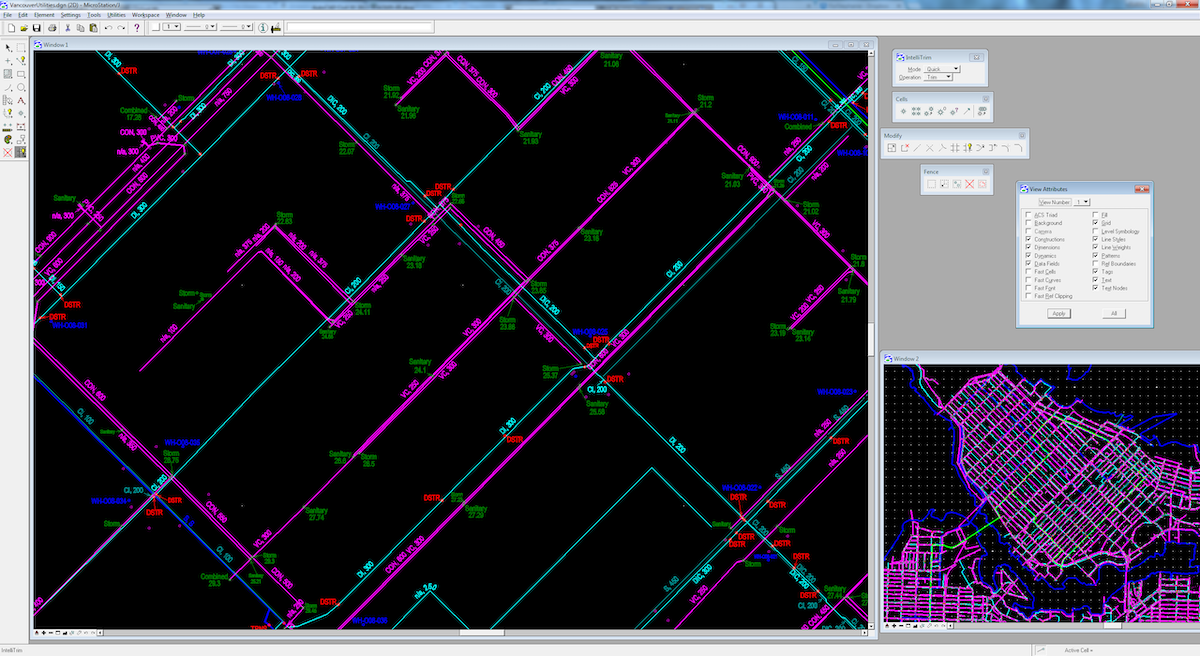
A typical utility might have detailed asset records in GIS, maintenance history in an EAM system, inspection reports stored as PDFs, and operational events flowing in from SCADA. Each system does its job, but none of them tells the whole story on its own. People bridge those gaps through experience and institutional knowledge. AI can’t.
“People bridge data gaps through experience and institutional knowledge. AI can’t.”
Data silos get exposed by AI
Organizations have been working around disconnected systems for years. An engineer exports a spreadsheet, an analyst manually joins datasets, a department maintains its own version of a report because it doesn’t fully trust the source system. It’s not ideal, but the work gets done.
AI changes that calculus. When a model is asked to identify assets at risk of failure or analyze outage trends, it can only work with what it’s given:
- If asset identifiers don’t match between systems, confidence in results drops
- If inspection records are buried in PDFs, important context gets missed
- If operational data isn’t connected to asset records, patterns become harder to detect
What looks like an AI problem is often a data integration problem underneath.
A simple test for your organization is to ask yourself: which assets in your service territory are at the highest risk of failure over the next 12 months?
To answer that confidently, you probably need data from GIS, asset management, inspection records, work management, SCADA, weather feeds, vegetation management programs, and engineering assessments. Getting all of that together in a way that’s current, trusted, and repeatable — that’s the hard part. No AI platform can compensate for a weak foundation.